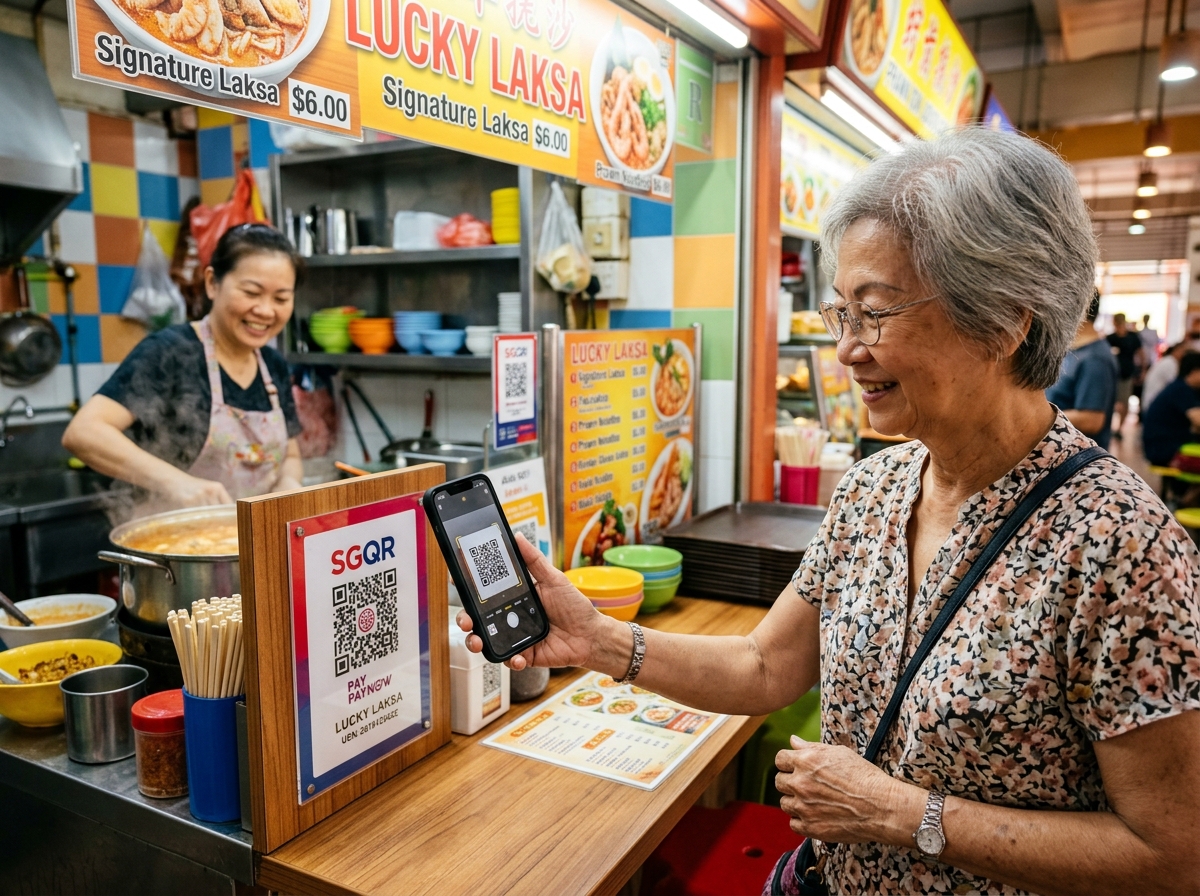
Singapore prides itself on being a "Smart Nation," where digital integration is woven into the fabric of daily life. From cashless payments and QR code menus to digital entry tickets and transport apps, the city is highly automated. For newly retired couples visiting from Chinese-speaking regions, this digital landscape presents a unique paradox. While these travellers are often incredibly tech-savvy within China’s sophisticated digital ecosystem, navigating Singapore's foreign digital platforms can introduce significant transactional friction.
Understanding this digital divide, and how to bridge it, is essential for a smooth and independent travel experience.
The Barrier of Foreign Digital Ecosystems
The primary source of friction is not a lack of digital literacy, but a misalignment of platforms. Mature Chinese-speaking travellers are fluent users of WeChat, Alipay, Douyin, and Xiaohongshu, using them daily for communication, payment, and travel research. However, when they step outside China, they are confronted with a completely different digital infrastructure.
In Singapore, digital transactions are dominated by English-language websites, international credit cards (like Visa and Mastercard), and foreign applications like Google Maps or local ride-hailing services like Grab. For seniors, setting up international credit cards on foreign apps can be highly complex, often requiring multi-factor authentication linked to domestic phone numbers that may not work abroad.
Additionally, navigating user interfaces written entirely in English to book attraction tickets, reserve restaurant tables, or buy museum passes is a slow and error-prone process. This is particularly challenging at cashless hawker centres and shops, which often use local payment systems like PayLah! or SGQR networks that require Singaporean bank accounts. This results in the "booking paradox": senior travellers can easily research their destinations online, but face a barrier when attempting to execute the transactions.
The Frustration of the Booking Paradox and Loss of Independence
The consequences of this digital friction go beyond simple inconvenience. When senior travellers cannot easily pay for a meal, book a ride, or purchase an entry ticket, they experience a sudden loss of independence. They are forced to rely heavily on their adult children back home to make bookings for them, or must pay premium rates to traditional offline travel agents.
In daily travel, this friction causes immediate stress. Standing at a restaurant table trying to scan a QR code menu that requires an English interface or an international credit card is embarrassing and frustrating. Trying to navigate unfamiliar streets using mapping apps that do not display in their native language can lead to confusion and worry about getting lost.
At automated transit gates or ride-hailing pickup points, the pressure of not knowing how to interface with the app can cause panic. In a cashless society like Singapore, where some vendors do not accept physical cash, this digital barrier can make seniors feel physically excluded from experiences. It breeds anxiety about simple transactions, turning a relaxing holiday into a series of stressful digital hurdles.
A Frictionless, Fully Managed Digital Experience
A holiday should be about enjoying the destination, not struggling with digital settings and payment methods. The key to overcoming digital friction is to have a local partner who manages the digital complexity on your behalf, restoring your peace of mind.
As your personal tour guide, I take care of all digital transactions and logistics behind the scenes. I manage the booking of all attraction tickets, restaurant reservations, and transport services in advance, ensuring that you never have to navigate unfamiliar English websites or payment screens.
For daily purchases, I help you navigate payment options, identifying shops and hawker stalls that natively accept Alipay and WeChat Pay, which are increasingly common in tourist areas. When cashless transactions require local cards or specific apps, I handle the payment on my card, allowing you to settle with me in whatever way is most convenient for you. I also provide pre-configured, Chinese-language digital guides and resources, ensuring you always have clear information. By taking care of the digital details, we ensure that your Singapore journey is completely seamless, comfortable, and stress-free.
新加坡以其“智慧国”(Smart Nation)的建设为荣,数字技术已经深深融入到市民日常生活的方方面面。从无现金支付、扫描二维码点单,到电子入境门票和各类交通应用程序,整座城市的自动化程度极高。然而,对于来自中文背景的新退休夫妇来说,这套高度数字化的生活方式却呈现出一个独特的悖论。虽然这些老年旅行者在中国的智能手机生态中极为熟练,但在面对新加坡完全不同的数字平台时,他们仍会遭遇重重的交易阻碍。
理解这种数字生态的脱节并找到解决之道,是确保您享有顺畅、自主的旅行体验的关键。
境外数字生态系统的壁垒
数字摩擦的主要来源并非老年人缺乏数字化常识,而是数字平台之间的不兼容。成熟的中文旅行者是微信、支付宝、抖音和小红书的深度用户,每天都使用它们进行沟通、支付和旅游攻略查询。然而,一旦他们走出国门,迎面而来的便是一套完全陌生的数字基础设施。
在新加坡,绝大多数数字化交易都由英文网站、国际信用卡(如 Visa 和 Mastercard)以及谷歌地图或本地网约车软件 Grab 主导。对于长者而言,在陌生的境外 App 上绑定国际信用卡是一件相当繁琐的事,且往往需要绑定国内手机号进行双重身份验证,而验证短信在境外经常无法顺利接收。
此外,面对完全用英文显示的手机界面去预订景点门票、预约餐厅座位或购买博物馆通票,其操作过程不仅缓慢而且极易出错。这在高度无现金化的熟食中心和零售店铺中尤为明显,因为许多摊位使用的是本地的 PayLah! 或 SGQR 扫码网络,这些网络都必须绑定新加坡本地银行账户才能支付。这最终导致了所谓的“预订悖论”:老年旅行者可以轻松在网上查好攻略,但在尝试付钱下单时却被拒之门外。
“预订悖论”的无奈与自主权的丧失
这种数字化支付摩擦带来的影响远不止是简单的不便。当老年旅行者发现自己连吃顿饭、打个车或买张景点门票都无法独立完成时,他们会瞬间产生强烈的无力感和自主权的丧失。他们被迫极大地依赖远在国内的子女代为网上预订,或者不得不向传统的线下旅行社支付高额的中介费用。
在日常旅游中,这种障碍会带来即时的焦虑。当坐在餐厅桌前,面对必须用英文界面并绑定国际信用卡才能点单的 QR 码时,长者往往会感到尴尬和沮丧。尝试使用非母语显示的地图软件在陌生的街头寻路,也很容易让他们迷失方向并产生不安。
在自动交通闸机前或网约车上客点,因为不熟悉软件操作而面临排队人群的催促,常会让长者感到恐慌。在新加坡这个倡导无现金的社会里,一些商家甚至贴出了不接受实体现金的告示,这让无法使用电子支付的长者产生一种被排斥在主流社会之外的无形冷遇。它把原本应当充满闲情逸致的假期,切割成了一连串令人紧绷的数字关卡。
无摩擦、全托管的数字出行体验
完美的假期的核心,在于享受目的地本身的风光,而不是跟繁琐的软件设置和支付页面作斗争。消除数字摩擦的终极方案,是拥有一位能够在现场为您打理一切数字化繁琐细节的本地伙伴,帮您重新找回无忧的松弛感。
作为您的专属向导,我将为您妥善托管一切幕后的数字化预订和交易细节。我会提前为您预办妥当所有的景点门票、餐厅预约和用车接送服务,确保您在旅途中完全不需要面对任何陌生的英文网站或支付失败的提示。
在日常消费中,我会全程指导您如何支付,并为您挑选那些能够直接使用支付宝和微信支付的特色商铺和熟食摊位(如今在主要商业街区这已非常普遍)。当某些无现金消费必须使用新加坡本地银行 App 或特定网卡时,我会用我的本地账户为您先行垫付,您只需在行程中以最方便您的任何方式与我结算即可。我还会为您提供配置妥当的中文数字化导览资源,确保您随时掌握出行资讯。通过打通这些数字化堵点,我们确保您在新加坡的旅程实现真正无缝、高品质且完全无忧的体验。