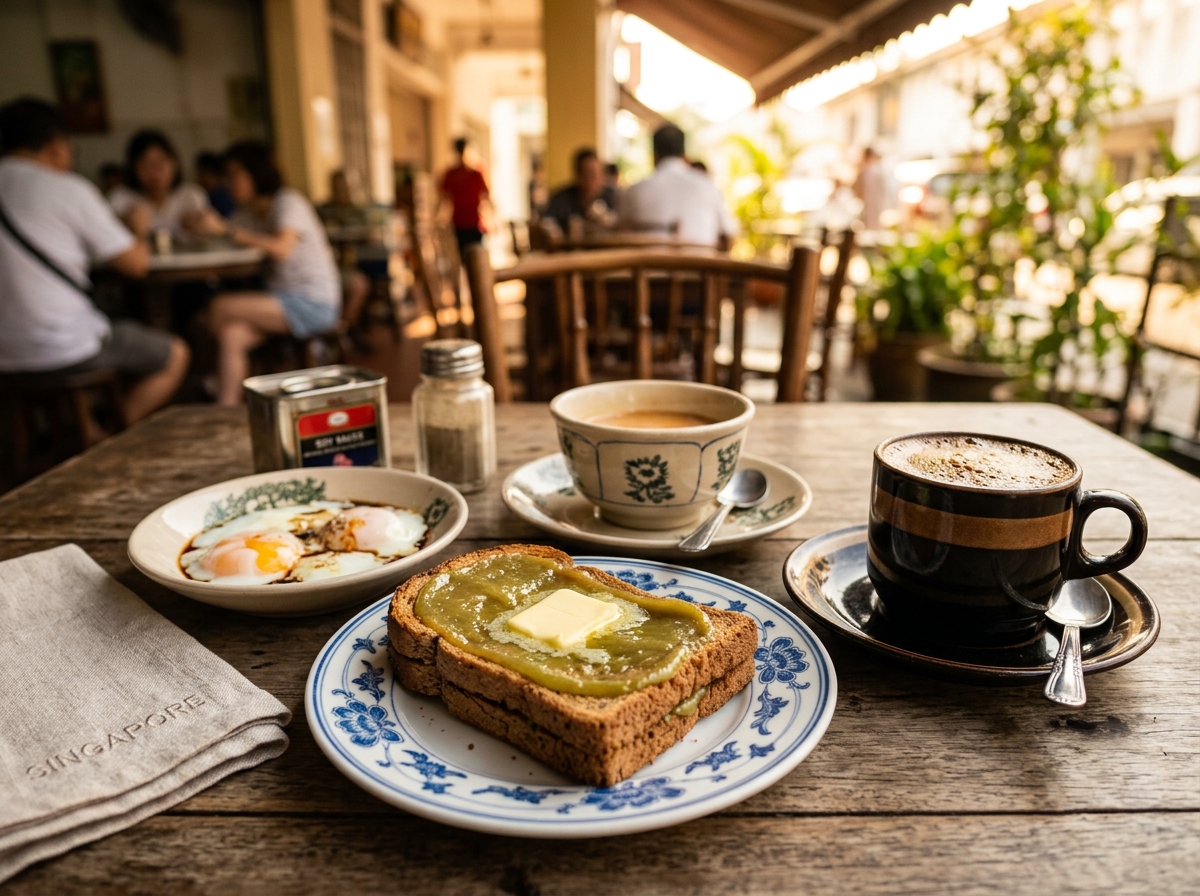
Singapore is universally celebrated as a food lover's paradise. From bustling open-air hawker centres serving legendary chicken rice to world-class fine dining establishments, the city offers an incredible diversity of flavours. For newly retired couples from Chinese-speaking backgrounds, exploring this culinary landscape is often a primary highlight of their travel plans. However, older travellers frequently face a silent challenge that can quickly overshadow their holiday: digestive sensitivity and culinary friction.
Understanding how to enjoy Singapore's rich culinary scene while protecting your physical well-being is key to a comfortable, stress-free holiday.
Digestive Intolerance and Rigid Culinary Tours
The main source of culinary friction lies in the physiological habits of mature Chinese-speaking travellers. As the body ages, the digestive system becomes more sensitive to changes in diet, climate, and routine. Many older Chinese travellers have highly traditional dietary habits, relying on hot-cooked meals, warm water, and fresh, easily digestible ingredients. Their digestive systems do not tolerate Western staples such as heavy dairy, cold salads, raw ingredients, or dense breads day in and day out.
In Singapore, this sensitivity clashes with typical tourist food experiences. Popular local dishes like rich, coconut-milk-based Laksa, spicy Chili Crab, and fried Char Kway Teow can be incredibly heavy for a sensitive stomach. Additionally, the local climate encourages the consumption of iced drinks and cold desserts like Ice Kachang or Cendol, which can shock the digestive system of someone accustomed to warm tea and hot broths.
Furthermore, most conventional food tours are designed for younger, adventurous eaters. These tours often subject visitors to high-volume "eating marathons," hopping from one stall to another in crowded, warm hawker centres without proper seating or rest periods, leaving no time for digestion.
The Toll of Physical Discomfort and Exhaustion
When senior travellers try to keep up with these demanding food schedules, the physical consequences can be immediate and severe. Eating heavy, unfamiliar, or cold dishes can trigger bloating, acid reflux, stomach cramps, or digestive illness. Instead of enjoying the sights, seniors find themselves feeling physically "off" and worrying constantly about the proximity of restroom facilities.
The layout of traditional hawker tours exacerbates this fatigue. Standing in long queues in the humid heat, carrying trays of hot food, and dining on stools in crowded, noisy environments is physically exhausting. The lack of comfortable, air-conditioned seating spaces prevents travellers from resting and digesting their meals properly.
The joy of tasting local delicacies is replaced by the stress of navigating the environment and managing physical discomfort. For many, this culinary friction leads to food anxiety, causing them to stick to plain white rice or instant noodles in their hotel rooms, missing out on Singapore's rich culinary culture.
A Paced, Digestively Gentle Culinary Journey
You do not have to compromise your physical comfort to experience the best of Singapore's food culture. A thoughtful, personalised approach to dining ensures that you can savour the local flavours safely and comfortably.
As your personal guide, I tailor your dining experiences to match your digestive habits and comfort level. We completely avoid fast-paced "food marathons." Instead, we dine in carefully selected, air-conditioned heritage restaurants that offer comfortable, fully seated environments, allowing you to relax and enjoy your meal at a leisurely pace.
I work directly with restaurant staff to customise your dishes, ensuring they are served hot and fresh, with low sodium, minimal oil, and no heavy spices or raw elements. We filter out potential digestive triggers and allergens while preserving the authentic local taste. Whether it is a comforting bowl of warm herbal soup, a light and aromatic Hainanese chicken rice, or a delicate local dessert served at room temperature, every meal is selected with your health in mind. Throughout the day, I ensure you have access to warm drinking water and comfortable, peaceful spaces to rest and digest. By prioritising your physical well-being, we turn dining back into what it should be: a comfortable, delicious celebration of travel.
新加坡被公认为美食爱好者的天堂。从售卖传奇海南鸡饭的喧嚣露天熟食中心,到世界一流的精致餐厅,这座城市提供了极其丰富的美食多样性。对于来自中文背景的新退休夫妇来说,探索这一美食图景往往是他们旅行计划中的重中之重。然而,老年旅行者经常面临一个心照不宣的隐形挑战,可能会迅速让原本美味的假期蒙上阴影:那就是肠胃敏感与饮食摩擦。
了解如何在保护身体健康的前提下尽情享受新加坡丰富的饮食文化,是确保假期舒适、无忧的关键。
胃肠耐受力限制与紧凑的“特种兵式”美食行程
饮食摩擦的主要根源在于成熟中文旅行者的饮食生理习惯。随着身体年龄的增长,消化系统对食物原料、气候温度和生活作息的变化会变得更加敏感。许多年长的旅行者保持着高度传统的饮食习惯,习惯于热食、温水,以及新鲜且容易消化的食材。他们的脾胃很难日复一日地消受西式的冰冷沙拉、生冷食材、重乳制品或扎实干硬的面包。
在新加坡,这种肠胃习惯常常与典型的旅游美食体验发生冲突。本地的经典美食,如浓郁椰浆底的叻沙(Laksa)、辛辣强烈的辣椒螃蟹以及油亮重味的炒粿条(Char Kway Teow),对于娇嫩敏感的肠胃来说无疑是巨大的消化负担。此外,当地炎热的气候催生了大量冰镇饮品和冷冻甜品,如红豆冰(Ice Kachang)或珍多冰(Cendol),这会对习惯了温茶和热汤的脾胃造成剧烈刺激。
更严重的是,大多数传统的旅行社美食行程都是为年轻人、猎奇探险式的食客设计的。这些行程常常将游客置于一种高强度的“美食拉力赛”中,在闷热拥挤的熟食中心里从一个摊位转战另一个摊位,缺乏足够的休息和舒适的座位,根本没有给肠胃留下消化缓冲的时间。
胃肠不适与环境嘈杂带来的双重消耗
当老年旅行者勉强应付这些高强度的进食节奏时,身体产生的负面反应往往立竿见影。摄入过于油腻、陌生或生冷的食物容易引发胃胀气、胃食管反流、胃痉挛或急性胃肠炎。此时,长者不再能够把精力集中在风景名胜上,而是感觉浑身不对劲,并时刻为寻找附近的厕所而感到焦虑不安。
传统的露天熟食中心布局也加剧了这种疲劳。在闷热潮湿的高温环境下排长队,端着热腾腾的盘子四处寻找座位,在嘈杂拥挤的环境中坐在简易矮凳上进食,对体力是极大的消耗。缺乏舒适的空调和靠背座椅,导致长者无法在饭后静心休息、让食物好好消化。
品尝本地风味的乐趣,最终被应对恶劣环境的疲惫和强忍身体不适的痛苦所取代。对许多长者而言,这种饮食上的摩擦甚至会演变成对吃东西的焦虑,导致他们最后在酒店房间里只敢靠白粥或方便面度日,彻底错失了新加坡精彩纷呈的饮食文化。
循序渐进、温和养胃的专属美食体验
您完全不必为了保护肠胃而牺牲品尝新加坡特色美食的乐趣。一种精心策划、量身定制的餐饮规划,能够确保您在保障身体极度舒适的前提下,安全、舒适地品味本地特色风味。
作为您的专属本地向导,我将完全以您的肠胃消化节奏和身体耐受度为核心,来定制您的每一餐。我们彻底告别那种紧凑奔波的“美食特种兵行程”。相反,我为您甄选环境优雅、冷气适中且座椅舒适的老字号冷气餐厅,让您可以在最放松的环境中、以最从容的步调享用美食。
我会直接与主厨及服务人员沟通,为您定制每一道菜肴——确保所有食物都现点现做、温热呈上,并做到少盐、低油,不含重刺激性辛辣物或生冷食材。我们在帮您过滤掉可能引起肠胃不适的刺激源和过敏原的同时,依然保留地道的南洋风味。无论是温热滋补的肉骨茶汤、清淡软嫩的海南鸡饭,还是常温呈献的精致南洋糕点,每一道菜都是为您量身打造的健康体验。在整天的行程中,我还会为您备妥暖胃的温开水,并预留舒适静谧的空间让您饭后休息小憩。通过将您的健康放在首位,我们帮您找回美食最原本的定义:一次极度舒适、温润幸福的味蕾盛宴。